Seyyed Ali Madanizadeh,
-

OIC Summit Offers Iran Opportunity to Expand Regional Trade, Reshape Trade Routes
Iran’s participation in the 42nd session of the Standing Committee for Economic and Commercial Cooperation of the Organization of Islamic Cooperation (COMCEC) in Türkiye comes at a time of mounting regional economic pressures, rising energy costs and disruptions to supply chains.
-
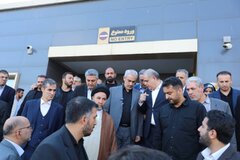
Iran’s Economy Minister Calls for Upgrades to Sarv Border Terminal
URMIA, Iran– Iran’s Minister of Economic Affairs and Finance, Seyyed Ali Madanizadeh, has visited the Sarv border terminal and its border market in West Azerbaijan Province, calling for improved passenger services, upgraded border infrastructure, and expanded capacity to facilitate cross-border travel and trade with Türkiye.
-
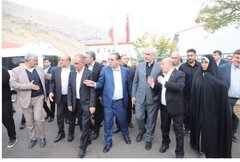
Iran’s Economy Minister Visits Passenger and Freight Operations at Bazargan Border Customs
BAZARGAN, Iran — Iran’s Minister of Economic Affairs and Finance, Seyyed Ali Madanizadeh, has visited various sections of Bazargan Customs during a visit to the Maku Free Trade-Industrial Zone, reviewing passenger traffic and the movement of goods across Iran’s border with Türkiye.
-
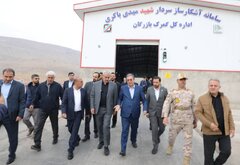
Iran’s Economy Minister Visits Iran–Türkiye Trade Center in Maku
MAKU, Iran — Iran’s Minister of Economic Affairs and Finance, Seyyed Ali Madanizadeh, has visited the Sarisu border market in Maku, West Azerbaijan Province, to review operational challenges and obstacles facing the Iran–Türkiye trade center.
-
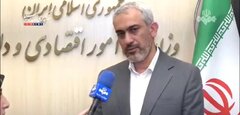
Economy Minister: Iran Has Paid $80 Million in Insurance Compensation for Ships and Aircraft
Seyyed Ali Madanizadeh, Iran’s Minister of Economic Affairs and Finance, said in a televised interview: “In the insurance sector, approximately 50 trillion tomans have so far been paid in compensation for damage to vehicles and residential properties (which have suffered damage during the recent US and Israeli attacks on Iran). In addition, around $80 million has been paid to cover losses sustained by ships and aircraft."
-
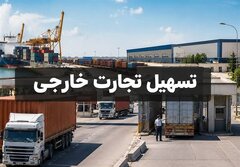
Iran Launches New Phase of Trade Facilitation to Cut Border Delays
Iran is moving to the next phase of its trade facilitation programme, shifting the focus from faster customs clearance to reducing the time goods and trucks spend at border crossings. The initiative follows a sharp decline in average customs processing time, from 143 hours to 73 hours, and includes plans to introduce coordinated border management and expand direct-through transport procedures.
-
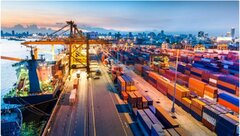
Iran Closes in on Three-Day Customs Clearance Target as Cargo Dwell Time Halves
TEHRAN —Iran has cut the average time required to clear goods through its customs facilities from 143 hours to 73 hours, bringing the country to within roughly one hour of its three-day customs-clearance target, according to the Islamic Republic of Iran Customs Administration (IRICA).